Stain Removal in Everyday Life: Practical Methods, Smart Tips, and Long-Lasting Results
Stain removal is one of those household skills that can save time, money, and a lot of frustration. Whether you are dealing with coffee on a shirt, grease on a kitchen towel, ink on upholstery, or muddy marks on carpets, the right stain removal approach can make all the difference. The key is to act quickly, use the correct treatment, and avoid habits that can set the stain deeper into the fabric or surface.
Many people think stain removal is all about harsh scrubbing, but that is often the fastest way to make the problem worse. Instead, effective stain removal combines the right method, a little patience, and an understanding of what caused the stain in the first place. Different stains respond to different solutions, so knowing the basics can help you handle accidents confidently.
In this article, we will look at practical stain removal techniques for clothing, upholstery, carpets, and other common surfaces. You will also learn how to treat fresh stains, remove stubborn marks, and protect delicate materials from damage. If you want cleaner fabrics and fewer permanent marks, these stain removal tips are a smart place to start.
Why Stain Removal Matters in the Home
Stain removal is more than a cosmetic concern. Left untreated, stains can become harder to remove over time, damage fibers, and create unpleasant odors. On clothing, a stain may cause discoloration that makes an item unwearable. On carpets and upholstery, a mark can draw the eye and make an entire room look less clean.
Good stain removal habits also help preserve the lifespan of your belongings. When you treat stains correctly, you reduce the need for aggressive cleaning methods that can weaken fabric, fade colors, or wear down finishes. That means fewer replacements and more value from the items you already own.
For households with children, pets, or frequent guests, stain removal becomes part of routine care. Spills happen. Shoes track in dirt. Food splashes. Ink leaks. A prepared approach keeps small incidents from turning into permanent damage.
Understanding the Type of Stain
Not all stains are the same. Some are water-based, while others are oil-based or protein-based. That distinction matters because stain removal methods work differently depending on the substance. For example, coffee and juice usually respond well to water-based treatments, while grease and makeup often need degreasing products.
Stain Removal Basics You Should Know First
Before trying any stain removal method, it helps to follow a few basic rules. First, always check the care label on clothing or the manufacturer’s instructions for furniture and rugs. Certain materials require gentle handling, and some cleaners may cause damage or discoloration.
Second, test any cleaning solution on a hidden area first. This is especially important for delicate fabrics, dyed upholstery, and natural fibers. A small spot test can prevent a much larger problem.
Third, blot, don’t rub. Rubbing can push the stain deeper into the material and spread it over a wider area. Blotting lifts residue from the surface and supports better stain removal results.
Quick Stain Removal Principles
- Act as soon as possible.
- Use cold water first for many common stains.
- Avoid heat until the stain is fully gone.
- Choose the correct cleaner for the stain type.
- Repeat gently rather than scrubbing aggressively.
Clothing Stain Removal: Everyday Spots and How to Handle Them

Clothing stain removal is one of the most common household tasks. Shirts, pants, dresses, and uniforms often face spills from food, drinks, cosmetics, and outdoor messes. The sooner you address the stain, the better your chances of success.
For most fresh stains, start by blotting the excess with a clean cloth or paper towel. Then rinse from the back of the fabric with cold water to help push the stain out instead of deeper into the fibers. After that, apply a suitable stain remover or mild detergent and allow it to sit before washing.
Heat is a stain-setting enemy. If you put a stained item into a hot dryer before the mark is fully removed, the stain may become permanent. Always inspect the fabric after washing and air dry if there is any doubt.
Common Clothing Stains
- Coffee and tea: Rinse with cold water and treat with liquid detergent.
- Grease and oil: Use dish soap or a degreasing stain treatment.
- Ink: Dab with rubbing alcohol carefully, then wash.
- Red wine: Blot immediately and apply a stain solution.
- Mud: Let it dry first, brush off residue, then wash.
For especially stubborn clothing stains, repeated stain removal attempts may be necessary. Patience is often more effective than force. If the stain is still visible after treatment, avoid drying it and try again with a different method.
Stain Removal for Carpets and Rugs
Carpet stain removal requires extra care because liquids can sink into the pile and padding below. Fast action is important. Start by removing any solid material with a spoon or dull edge, then blot excess liquid carefully. Work from the outside of the stain toward the center to prevent spreading.
Use a small amount of cleaning solution rather than soaking the area. Over-wetting can damage carpet backing and increase drying time. After applying the solution, blot with a dry towel and repeat until the stain lifts.
For high-traffic areas, stain removal should always be followed by good drying. Use a fan, open window, or dry towel to help moisture leave the fibers quickly. This helps reduce the risk of odor or mildew.
Useful Carpet Stain Removal Methods
- Blot the spill immediately.
- Apply a carpet-safe cleaner or diluted detergent.
- Work gently with a soft cloth or sponge.
- Blot dry and repeat if needed.
- Rinse lightly and dry thoroughly.
Tip: If a stain has already dried, vacuum the area first if debris is present, then apply your stain removal method. Dried stains usually need more patience, but they can often still be improved significantly.
Stain Removal for Upholstery and Furniture
Stain removal on upholstery can be tricky because furniture fabrics vary widely. Some are synthetic and durable, while others are delicate and absorbent. Before treating any upholstery stain, identify the fabric type if possible and check the manufacturer’s cleaning code.
For many upholstery stains, a mild cleaning solution and gentle blotting are enough. Avoid soaking the fabric, and do not use harsh scrubbing tools that can damage the weave. If the cushion is removable, clean both the visible fabric and the underside if the spill has seeped through.
Furniture stain removal also benefits from air circulation. After treatment, leave the area open to dry completely. Closing up moisture can lead to odor, staining rings, or fabric breakdown over time.
Best Practices for Upholstery
- Use a clean white cloth to avoid color transfer.
- Apply cleaner lightly and evenly.
- Blot instead of rubbing.
- Do not over-wet foam padding.
- Allow full drying before using the furniture again.
Stain Removal Methods for Kitchen and Household Surfaces
Countertops, Tables, and Hard Surfaces
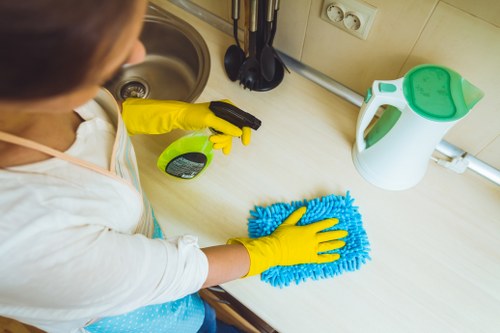
Stain removal is not only for fabrics. Kitchens, tables, sinks, and other hard surfaces can also develop stubborn marks from food, oil, spices, and beverages. The advantage with hard surfaces is that many stains remain on the top layer and can be lifted more easily with the right cleaner.
For sealed surfaces, start with warm water and mild soap. If needed, use a non-abrasive cleaner suited to the material. Avoid acidic or abrasive products on delicate finishes like marble, granite, lacquered wood, or specialty coatings unless they are approved for those surfaces.
Surface-Safe Stain Removal Tips
Wood: Wipe quickly and dry immediately to prevent staining or warping.
Stone: Use pH-neutral cleaners and avoid strong acids.
Laminate: Clean gently to preserve the finish.
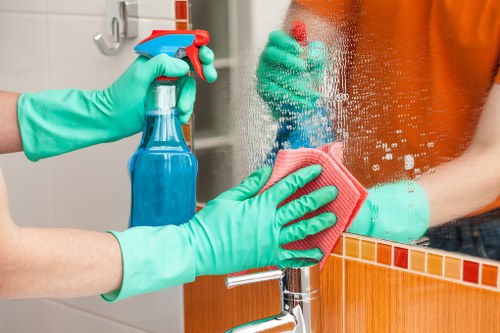
Glass and metal: Use a streak-free cleaner and soft cloth.
Stain removal on household surfaces is often about timing. The faster you wipe up a spill, the less likely it is to leave a visible mark. That is especially true for sauces, wine, curry, and oily foods that can cling to porous materials.
Stubborn Stains and How to Tackle Them
When Standard Stain Removal Is Not Enough
Some stains resist standard washing and need a more targeted approach. These may include ink, blood, makeup, grass, rust, turmeric, and old food stains. The exact solution depends on the source and the material being treated. In many cases, the goal is not just stain removal but also protecting the surface while lifting as much residue as possible.
Protein stains such as blood should usually be treated with cold water, not hot, because heat can cause them to set. Oil-based stains often respond better to degreasers. Dye stains, such as from ink or colored drinks, may need repeated treatments and careful rinsing.
Examples of Tough Stain Removal Challenges
- Blood: Cold water and enzyme-based cleaners can help.
- Grass: Pre-treat with detergent or alcohol-based solutions.
- Makeup: Use makeup remover or dish soap for oily formulas.
- Rust: Use a rust-specific treatment approved for the material.
- Turmeric: Treat quickly and avoid heat.
When dealing with a stubborn stain, consistency matters. A series of gentle stain removal steps often works better than one aggressive attempt.
Natural Stain Removal vs. Commercial Cleaners
Choosing the Right Approach
Many people prefer natural stain removal solutions such as baking soda, vinegar, lemon juice, or salt. These can be useful for certain jobs, especially when you want a mild, low-cost option. However, natural does not always mean best for every stain or every surface.
Commercial stain removers often contain enzymes, surfactants, or solvents designed for specific stain categories. They may be more effective on grease, protein, or dye stains. The best approach depends on the stain type, the surface, and how quickly you need a result.
Natural stain removal methods are often best for light maintenance, while commercial products may be better for deeper or older stains. If you are unsure, start gently and escalate only if needed. That way, you reduce the risk of damage while still improving the stain.
Pros and Cons to Consider
- Natural methods: affordable, accessible, and often milder.
- Commercial cleaners: stronger action and more targeted formulas.
- Delicate fabrics: may need special fabric-safe products.
- Large or old stains: may benefit from professional treatment.
Preventing Stains Before They Happen
Smart Habits That Reduce Stain Removal Work
The easiest stain removal is the stain you never have to treat. Prevention can significantly cut down on cleaning time and preserve your fabrics and furnishings. Small habits create a big difference over time.
For clothing, wearing an apron while cooking or choosing darker colors for messy tasks can help. For carpets and upholstery, a no-shoes policy or regular vacuuming reduces dirt buildup. Protective sprays may also help some materials resist spills and buy you time before a stain sets.
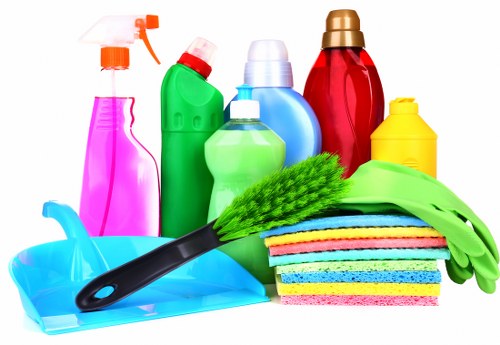
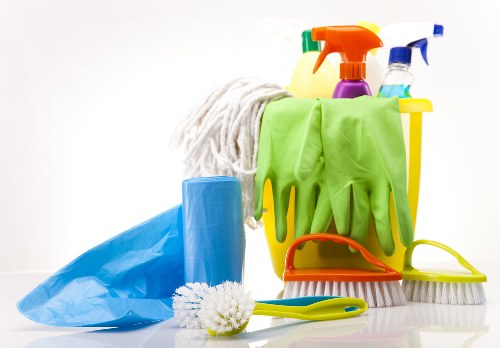
Fast response is still the strongest prevention strategy. Keeping a simple stain removal kit nearby can help you act right away. Include clean cloths, a mild detergent, a soft brush, and any fabric-safe stain remover you prefer.
A Simple Stain Removal Kit May Include
- Microfiber cloths or paper towels
- Mild liquid detergent
- Dish soap
- Soft-bristle brush
- Stain remover spray or gel
- Cold water access
When to Seek Professional Help
Knowing the Limits of DIY Stain Removal
Not every stain can or should be handled at home. Expensive garments, antique textiles, dry-clean-only materials, and valuable upholstery may need expert care. Professional stain removal services often have specialized equipment and solutions that are safer for fragile items.
If you have already tried several methods and the stain remains, continuing to experiment may risk damage. This is especially true when the material is delicate or the stain is large. In those cases, professional treatment can save the item and avoid irreversible mistakes.
Another reason to consider expert help is odor or contamination. Some stains, especially those from pets or organic spills, can affect both appearance and hygiene. A professional can determine whether stain removal alone is enough or whether deeper cleaning is needed.
Situations That May Need a Professional
- Luxury or delicate fabrics
- Large carpet or upholstery stains
- Old stains that have set deeply
- Items with special cleaning codes
- Stains involving unknown substances
Final Thoughts on Effective Stain Removal
Stain removal does not have to feel overwhelming. With the right approach, many everyday stains can be handled quickly and successfully. The most important habits are simple: act fast, identify the stain type, avoid heat until the mark is gone, and choose the safest effective treatment for the surface.
Whether you are cleaning clothes, rugs, sofas, or countertops, consistent stain removal techniques protect the look and life of your belongings. A gentle method used at the right time is often better than a harsh one used too late. Once you understand how stain removal works, you can tackle spills with much more confidence.
If you are dealing with recurring messes, difficult spots, or delicate items, do not wait until the damage becomes permanent. Take action early, use the right cleaning method, and keep your space looking fresh. Contact us today for trusted support, or book your service now if you want help restoring fabrics and surfaces with professional care.