Rug Cleaning in Modern Homes: How to Keep Rugs Fresh, Healthy, and Beautiful
Why Rug Cleaning Matters for Every Home

Rug cleaning is more than a cosmetic task. A rug can act like a filter, trapping dust, pollen, pet hair, food crumbs, and everyday debris before they circulate through your living space. Over time, those particles build up, making your rug look dull and affecting the air quality in your home. Whether you have a delicate wool rug, a durable synthetic piece, or an heirloom area rug, regular rug cleaning helps preserve its appearance, texture, and value.
Many people think vacuuming is enough, but surface cleaning only removes part of the problem. Deep fibers can hold soil, odors, oils, and allergens that a vacuum may not fully reach. That is why a smart rug cleaning routine should include preventive care, spot treatment, and periodic deep cleaning. With the right methods, you can extend the life of your rug and keep your rooms looking polished.
If you are searching for effective rug cleaning solutions, it helps to understand that every rug is different. Fiber type, weave, dye stability, backing, and daily foot traffic all affect the best cleaning method. A rug in a hallway may need more frequent attention than one in a formal sitting area. Choosing the correct approach is the difference between restoring a rug and damaging it.
Understanding Different Rug Types Before Cleaning

Before starting any rug cleaning project, identify the rug material. This step matters because fibers react differently to moisture, detergents, heat, and friction. Natural-fiber rugs and machine-made rugs often need very different care. Knowing the structure of your rug helps prevent shrinkage, bleeding, and fiber distortion.
Common rug materials and their needs
- Wool rugs: Soft, resilient, and naturally stain-resistant, but they can felt or shrink if over-wet.
- Cotton rugs: Easier to clean, though they can fade or lose shape if handled poorly.
- Silk rugs: Delicate and often best left to professionals due to sensitivity to water and agitation.
- Synthetic rugs: Usually more forgiving and practical for routine rug cleaning at home.
- Jute and sisal rugs: Highly absorbent and prone to water damage, so dry methods are often safer.
It also helps to inspect the rug for labels, backing, and construction details. Some rugs have latex backing that may break down with heavy moisture, while hand-knotted rugs require careful handling to protect fringe and dyes. A thoughtful rug cleaning plan starts with these basics.
Daily and Weekly Rug Maintenance That Makes a Difference

Consistent upkeep is one of the most effective ways to reduce the need for intensive rug cleaning. Small habits can dramatically cut down on dirt buildup and keep fibers looking vibrant longer. If you wait until a rug is visibly dirty, the cleaning process becomes harder and more stressful for the material.
Vacuuming is the foundation of routine care. For low-pile rugs, vacuum both sides if possible, and use a suction setting that is strong enough to remove dirt without snagging fibers. For shag or plush rugs, use gentle suction and avoid aggressive beater bars that can pull on the pile. In high-traffic rooms, vacuuming two to three times a week may be ideal.
Another simple strategy is to rotate the rug every few months. This spreads wear evenly and helps prevent fading in areas exposed to sunlight. Adding a rug pad can also reduce friction, prevent slipping, and protect the backing. These small preventive steps reduce how often you need deep rug cleaning and help preserve the rug’s structure.
Helpful maintenance habits
- Remove shoes before walking on rugs when possible.
- Blot spills immediately instead of rubbing them in.
- Shake out smaller rugs outdoors on a regular basis.
- Keep pet nails trimmed to reduce fiber snagging.
- Use entry mats to limit dirt transfer into the home.
Spot Cleaning Stains the Right Way
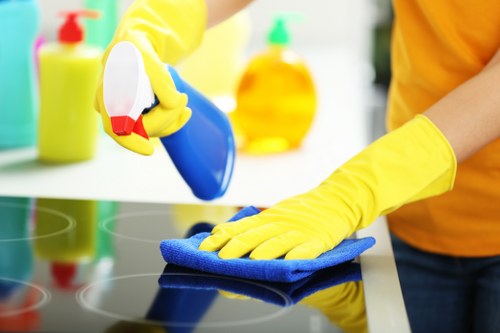
Spills happen, and quick action can save a rug from permanent staining. The most important rule in rug cleaning is to act fast but gently. Rubbing a stain usually pushes it deeper into the fibers and can spread the mess. Instead, blot from the outside toward the center to contain the spill.
Water-based stains, such as juice, coffee, or soft drinks, often respond well to a mild cleaning solution and careful blotting. Oil-based stains may need a small amount of gentle dish soap or a fiber-safe spot cleaner. Always test any product in an inconspicuous area first, especially on dyed or natural-fiber rugs. This step can prevent discoloration or texture changes.
For pet accidents, odor control is just as important as stain removal. Enzyme-based cleaners can help break down organic matter and reduce lingering smells. Avoid over-saturating the area, because excess moisture can reach the backing and cause mildew. Effective rug cleaning for spots is about precision, patience, and the right products.
Basic spot cleaning steps
- Blot the spill immediately with a clean white cloth.
- Remove solids carefully using a spoon or dull edge.
- Apply a small amount of appropriate cleaner.
- Blot again until the stain lifts.
- Rinse lightly if needed and dry thoroughly.
Deep Rug Cleaning Methods for Better Results

When routine vacuuming and spot treatment are not enough, deep rug cleaning restores freshness and removes embedded grime. The best method depends on the rug’s material, age, and condition. Some rugs can be cleaned at home with low-moisture techniques, while others are better handled by specialists.
Steam cleaning is often used for synthetic rugs, but it should be approached carefully. Too much heat or moisture can damage natural fibers, weaken adhesives, or distort delicate construction. Dry rug cleaning, foam cleaning, and controlled hand-washing are also common methods. Each technique has strengths, so matching the method to the rug is critical.
If your rug has deep odors, heavy staining, or years of accumulated soil, professional rug cleaning can be worth the investment. Professionals often use dust removal, fiber-specific shampoos, pH-balanced rinses, and controlled drying environments to protect the rug while restoring its appearance. For antique or high-value pieces, expert handling is often the safest option.
Common deep-cleaning approaches
- Hand washing: Careful cleaning with water and mild solution for compatible rugs.
- Dry cleaning: Low-moisture treatment for sensitive materials.
- Steam cleaning: Effective for some synthetic rugs when used correctly.
- Encapsulation: Specialized technique that traps soil in a crystallized compound.
- Professional immersion cleaning: Best for heavily soiled rugs that need detailed restoration.
How to Dry Rugs Properly After Cleaning
Drying is one of the most overlooked parts of rug cleaning, yet it is essential for preventing mold, odor, and fiber damage. A rug that stays damp too long can develop mildew, especially in humid climates or rooms with poor airflow. Proper drying protects both the rug and the floor beneath it.
After cleaning, press out excess moisture with towels instead of twisting or wringing the rug. Lay it flat in a well-ventilated area and use fans to speed evaporation. If the rug is safe for outdoor drying, keep it out of direct harsh sunlight for too long, since fading can occur. Rotate it occasionally so both sides dry evenly.
For thicker rugs, drying may take longer than expected. Never put a damp rug back on hardwood, laminate, or carpet until it is completely dry. Moisture trapped underneath can damage flooring and create odors. Patient drying is a crucial part of successful rug cleaning and long-term rug care.
Signs a rug is not drying properly
- Musty or sour odors
- Cool, damp feeling in the pile or backing
- Visible dark spots that do not fade
- Warping, curling, or stiffness
- Persistent indoor humidity near the drying area
How Often Should You Schedule Rug Cleaning?
The ideal frequency for rug cleaning depends on lifestyle and use. A home with children, pets, and high foot traffic will need more frequent attention than a quiet space with decorative rugs. A practical routine balances daily care, monthly maintenance, and periodic deep cleaning.
As a general rule, vacuuming should happen weekly or more often in active spaces. Spot cleaning should be done immediately when accidents occur. Deep cleaning may be needed every 6 to 12 months for many rugs, though high-use rugs can require more frequent treatment. Delicate or antique rugs should be assessed individually rather than following a one-size-fits-all schedule.
Seasonal factors also matter. During rainy months or pollen-heavy seasons, rugs can trap more moisture and allergens. In households with pets, shedding and tracked-in dirt can accelerate buildup. A regular rug cleaning schedule keeps the rug healthier and reduces the risk of permanent wear.
Factors that affect cleaning frequency
- Household size and foot traffic
- Presence of children or pets
- Type of rug fiber and pile height
- Exposure to sunlight and outdoor dirt
- Allergy concerns and indoor air quality goals
DIY Rug Cleaning vs. Professional Rug Cleaning
Many homeowners wonder whether they should tackle rug cleaning themselves or hire a professional. The answer depends on the rug’s value, material, and condition. DIY methods are often suitable for routine upkeep and small spills, especially on sturdy synthetic rugs. However, some rugs need expert care to avoid accidental damage.
DIY rug cleaning can save money and work well when you know the fiber type and use the correct products. It gives you control over timing and can be convenient for everyday maintenance. That said, improper water use, harsh chemicals, and too much scrubbing can create bigger problems than the original stain. Always follow manufacturer recommendations when available.
Professional rug cleaning is often the safer choice for wool, silk, antique, handwoven, or high-value rugs. Professionals understand dye stability, knot counts, pile direction, and fiber chemistry. They can also identify hidden issues such as insect damage, backing failure, or deep-set contamination. When a rug matters to you, expert cleaning can preserve it for years.
When professional help is worth considering
- The rug has sentimental or financial value
- Stains have been present for a long time
- The rug smells musty or mildewed
- There is heavy pet soiling or smoke odor
- The material is delicate or unknown
Common Mistakes to Avoid During Rug Cleaning
Even well-intentioned efforts can go wrong if the cleaning method is not suited to the rug. Avoiding common mistakes can protect your investment and make your rug cleaning efforts far more effective. A careful approach is always better than an aggressive one.
One frequent mistake is using too much water. Oversaturation can lead to shrinkage, dye bleeding, and mildew. Another problem is using strong household cleaners not designed for rugs. Bleach, ammonia, and abrasive scrubbers can permanently damage fibers. People also often forget to dry the rug completely, which can create odors or structural problems.
It is equally important not to ignore the rug pad and flooring underneath. Dirt can collect below the rug, and moisture can transfer to the subfloor. A smart rug cleaning process includes the entire area, not just the visible surface. Being thorough helps ensure the rug and the floor both remain in good condition.
Errors that can shorten a rug’s life
- Scrubbing stains aggressively
- Using excessive heat on delicate fibers
- Skipping spot tests before applying cleaner
- Leaving rugs damp after washing
- Ignoring manufacturer care instructions
Eco-Friendly Rug Cleaning Options
Many homeowners prefer safer, low-impact methods for rug cleaning. Eco-friendly options can be effective while reducing exposure to harsh chemicals. These methods are especially appealing in homes with children, pets, or allergy-sensitive family members. Cleaner indoor air and gentler products often go hand in hand.
Simple solutions such as mild soap, white vinegar in controlled amounts, and baking soda can sometimes help with odor and light stains. However, these remedies are not universal. Natural does not always mean safe for every rug fiber. Always use caution and test first, especially on wool, silk, and plant-based fibers like jute or sisal.
Low-moisture and enzyme-based cleaners are also popular choices. These can reduce water use while addressing organic stains and odors more effectively. When seeking greener rug cleaning methods, look for products that are fiber-safe, biodegradable, and free from unnecessary fragrances or dyes.
Tips for Keeping Rugs Cleaner for Longer
The best rug cleaning plan is one that reduces cleaning needs in the first place. Prevention saves time, preserves color, and keeps fibers looking better between deep cleans. With the right routines, your rug can stay attractive and comfortable for many years.
Start by creating habits that stop dirt at the door. Use mats at entrances, enforce shoe-free zones where possible, and clean up spills immediately. In dining areas, consider washable rugs or place smaller mats in high-risk zones. If you have pets, grooming them regularly can reduce shedding and dander on your rugs.
Another smart move is to adjust cleaning based on season and room use. For example, winter might bring in more salt and slush, while spring can introduce pollen and dust. High-traffic family rooms may need more attention than guest rooms. Flexible rug cleaning routines are often the most practical and successful.
Long-term rug protection strategies
- Use a quality rug pad underneath
- Keep the rug out of prolonged direct sunlight
- Address stains immediately
- Schedule periodic deep cleaning
- Inspect fringe, edges, and backing for early wear
Choosing the Right Rug Cleaning Approach for Your Home
There is no single method that works for every rug. The right rug cleaning approach depends on the rug’s material, location, age, and condition. A durable synthetic rug in a busy family room can tolerate a different treatment than a hand-knotted wool rug in a quiet study. Matching the method to the rug protects your investment and improves results.
If you are unsure, begin with the least aggressive option. Vacuum thoroughly, treat stains carefully, and avoid soaking the rug. For larger issues or valuable pieces, professional assessment may be the best decision. Good rug cleaning is thoughtful, not rushed.
Ultimately, the goal is not just a cleaner rug today, but a healthier and longer-lasting rug overall. With steady maintenance, smart stain response, and periodic deep cleaning, your rugs can continue to enhance the look and comfort of your home.
Final Thoughts on Rug Cleaning
Rug cleaning is an essential part of home care, and it pays off in both appearance and hygiene. Clean rugs brighten rooms, improve comfort, and help reduce the buildup of dust and allergens. Whether you handle routine care yourself or rely on professionals for more delicate work, consistency is the key.
By understanding rug materials, acting quickly on spills, drying rugs properly, and avoiding common mistakes, you can protect your floor coverings for the long term. A well-maintained rug adds warmth and style to any space, while a neglected one can make a room feel tired and unclean. The difference often comes down to simple, regular attention.
If your rugs need a refresh, now is the right time to act. Book your service now or contact us today to keep your rugs looking their best and your home feeling cleaner, fresher, and more inviting.