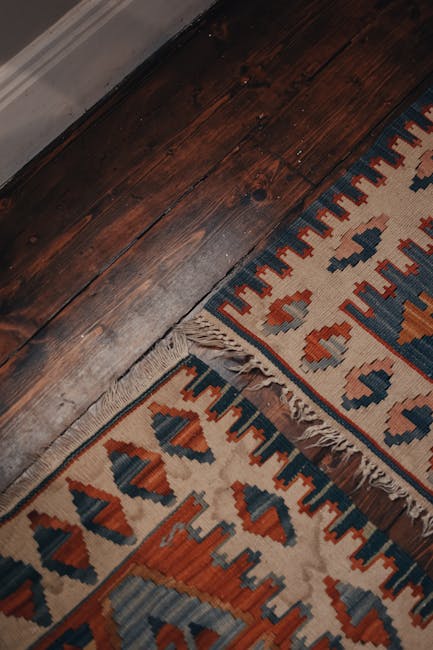
Wandle Park rug cleaning and stain removal guide Colliers Wood

If your rug has picked up a coffee splash, muddy paw prints, or one of those mysterious marks that appears overnight, you are not alone. This Wandle Park rug cleaning and stain removal guide Colliers Wood is designed to help you deal with everyday rug problems calmly, safely, and without making them worse. Rugs can be beautiful, but they are also a magnet for dirt, spills, and odours - especially in busy homes where shoes, pets, and general life all seem to meet in one place.
In this guide, you will learn how rug cleaning works, which stain removal methods suit different fibres, what to avoid, and when it makes more sense to bring in a specialist. We will keep it practical, local, and grounded in real-world cleaning decisions rather than vague theory. Let's get into it.
Why Wandle Park rug cleaning and stain removal guide Colliers Wood Matters
Rugs do more than sit there looking nice. They take a lot of daily wear, and in a place like Colliers Wood, that often means a mix of outdoor grit, wet-weather marks, food spills, and whatever gets brought in on shoes, bags, and pets. A rug might seem resilient, but if stains are left to settle, they can bond with fibres and become far harder to remove later.
That is the real reason this topic matters. Good rug care is not just about appearance. It also helps preserve texture, colour, and the overall life of the rug. A wool rug, for example, needs a different touch from a synthetic flatweave. Silk, viscose, jute, and blended fibres all behave differently too. One "universal" fix? Honestly, it is usually the thing that causes the damage.
Another point people sometimes miss: stains are not all the same. A fresh water-based spill behaves very differently from an oily mark, dye transfer, pet accident, or sugary drink that dries sticky. Once you understand what kind of stain you are dealing with, you can choose a safer method and avoid setting it deeper.
For readers comparing professional help with DIY care, the wider service pages on specialist rug cleaning and targeted stain removal can be useful background. They help explain what a proper clean usually involves and when spot treatment is enough.
How Wandle Park rug cleaning and stain removal guide Colliers Wood Works
At a practical level, rug cleaning follows a simple logic: identify the fibre, identify the stain, test the method, then clean gently and thoroughly. That sequence matters because rugs are not all built the same. Some can handle moisture well. Others may shrink, bleed, distort, or lose pile if treated too aggressively.
The process usually starts with dry soil removal. Loose grit acts like sandpaper, so vacuuming is not optional; it is the first proper step. After that, stain removal depends on the mark. A fresh tea spill may respond to blotting and a mild solution. Grease, on the other hand, may need a different approach because water alone will not shift it properly.
Professional rug cleaning often uses controlled methods such as hot water extraction, low-moisture cleaning, or hand-finished treatment depending on construction. If a rug is delicate, the cleaner may avoid heavy saturation and use careful spot work instead. In some cases, especially with odours or deep-set contamination, a more complete wash and rinse cycle is needed.
Then there is drying. People underestimate this part. A rug that is cleaned well but dried badly can develop lingering smells, wicking stains, or pile distortion. Good airflow, raised drying, and patience are not glamorous, but they are half the job. No one loves waiting for a rug to dry, but it beats a damp smell hanging around the room for days.
Key Benefits and Practical Advantages
A sensible rug cleaning routine gives you more than a tidier room. It can also reduce the need for replacement, keep colours fresher, and make the rug feel better underfoot. That "clean" feeling is not just visual; you notice it in texture, smell, and even how the room seems to breathe a bit easier.
- Longer rug life: removing grit and residue reduces fibre wear over time.
- Better stain outcomes: prompt action usually prevents stains from setting deeper.
- Improved appearance: colours look brighter when dulling soil is removed.
- Odour control: pet accidents, food spills, and moisture smells are easier to manage early.
- More suitable care: delicate materials are less likely to be damaged by guesswork.
There is also a practical benefit that gets overlooked: peace of mind. If a rug sits in a living room, hallway, or dining area, you do not want to feel nervous every time someone has a drink nearby. Knowing how to treat common stains properly makes everyday life less stressful. A bit less drama, basically.
For households that want a broader clean across soft furnishings, the related pages on carpet cleaning and upholstery cleaning are sensible next reads because the same soil-and-fibre principles often apply.
Who This Is For and When It Makes Sense
This guide is for anyone in Colliers Wood and the wider Wandle Park area who owns a rug and wants to keep it looking decent without taking unnecessary risks. That includes renters, homeowners, landlords, pet owners, families with young children, and anyone who has bought a rug they actually care about.
It is especially useful if:
- your rug is in a high-traffic room;
- you have a wool, wool-blend, or delicate decorative rug;
- you are dealing with a fresh spill and want to act fast;
- there is a recurring stain or odour that keeps coming back;
- you are unsure whether the rug can be safely cleaned with water;
- you want to know when DIY is enough and when it is not.
Sometimes the right decision is to do nothing immediately except blot and protect the area. That sounds counterintuitive, but overworking a stain can spread it, rough up the fibres, or push colour deeper. Sometimes restraint is the expert move. You do not always need to attack the stain like it owes you money.
Step-by-Step Guidance
If the stain is fresh, start here. Keep the approach calm and methodical. Rushing is what usually turns a small mark into a bigger one.
- Blot, don't rub. Use a clean white cloth or paper towel and press gently from the outside of the stain inward. Rubbing spreads the mark and damages the pile.
- Remove loose debris. Pick up solids carefully with a spoon or dull edge. Do not grind anything into the fibres.
- Check the fibre type. Wool, silk, viscose, jute, cotton, and synthetics all behave differently. If you are unsure, assume the rug is more delicate than you think.
- Test in a hidden spot. A small colourfastness test can save you from dye bleed or fading.
- Apply a suitable cleaning solution. Use the mildest effective method. For many fresh marks, a small amount of diluted detergent or specialist stain treatment is enough.
- Work slowly. Apply lightly, blot again, and let the solution lift the residue. Do not soak the rug.
- Rinse carefully. If a cleaning product has been used, remove residue with a lightly damp cloth so it does not attract dirt later.
- Dry properly. Use airflow and keep the rug raised if possible. Avoid heat that may distort fibres.
- Check for wicking. A stain can reappear as moisture rises through the pile. If that happens, repeat gentle blotting rather than panic-cleaning.
For tougher contamination, especially where odour or pet issues are involved, a more targeted approach may be needed. The page on pet stain and odour removal is relevant if you are dealing with urine, lingering smells, or repeat marking. That kind of stain has a nasty habit of coming back if it is only surface-cleaned.
One small but important note: if the rug has a stitched backing, latex layer, or fringe detail, be extra careful. Backing failures can make a rug look fine for a week and then suddenly buckle or shed. That sort of thing is frustrating, to say the least.
Expert Tips for Better Results
A few small habits make a big difference. In our experience, the best rug care is usually boring, consistent, and gentle rather than heroic.
- Vacuum both sides where possible. Dust and grit can hide underneath, and that material works its way back into the pile.
- Use white cloths only. Coloured cloths can transfer dye, especially on damp fibres.
- Treat spills immediately. The first ten minutes often matter more than the cleaning product.
- Keep cleaning solutions mild. Stronger is not automatically better. Harsh chemicals can strip colour or leave sticky residue.
- Be cautious with wool. Wool likes careful moisture control and stable drying conditions.
- Mind the fringe. Fringes are easy to over-wet and can fray quickly.
- Lift rather than scrub. Lifting soil out of fibres is the goal, not forcing it sideways.
A useful rule of thumb: if you cannot tell what caused the stain, pause and identify it before cleaning. Oil, tannins, dyes, protein-based spills, mud, and pet accidents all need slightly different handling. Guessing is where many DIY jobs go sideways.
And if your rug is part of a larger refresh, pairing it with steam carpet cleaning in the room may help reduce general background dirt, though the rug itself still needs fibre-appropriate treatment.
Common Mistakes to Avoid
Most rug damage during stain removal comes from a handful of predictable errors. The good news is that they are easy to avoid once you know them.
- Rubbing the stain: this pushes the mark deeper and can fray the pile.
- Using too much water: saturation can cause shrinkage, browning, odour, or backing damage.
- Skipping a test patch: colour loss or bleed is a common regret.
- Using bleach or strong chemicals: these can permanently alter fibres and dyes.
- Ignoring the backing: a rug is more than just the visible top surface.
- Drying too slowly: lingering dampness leads to smell and potential mildew.
- Mixing products: some combinations are unpredictable and can damage the rug or create fumes.
A lot of people also make the mistake of cleaning only the stain itself and not the surrounding area. That leaves a line, a halo, or a subtle patch that catches the light. Not ideal. It is often better to feather the treatment slightly beyond the visible edge so the finish looks more natural.
Expert summary: the safest rug cleaning is usually the one that uses the least force, the least moisture, and the least guesswork while still fully removing the stain.
Tools, Resources and Recommendations
You do not need a huge kit to handle most rug spills well. A small, thoughtful set of tools is usually enough for first aid cleaning and routine maintenance.
- vacuum cleaner with a gentle brush setting;
- clean white microfibre cloths or plain paper towels;
- a soft brush for dry soil;
- a bowl for mixing mild solution;
- plain cool water for rinsing;
- an absorbent towel for drying;
- a fan or open-window airflow for quicker drying.
For routine care, look at the rug's fibre label or care guidance if you have it. If you no longer have the paperwork, err on the side of caution. Natural fibres and decorative weaves often benefit from professional attention, especially if they are valuable or sentimental.
If you are comparing services or want to understand what professional cleaning typically includes, the local pages on pricing and quotes and insurance and safety can help set expectations. That is useful when you are deciding whether to attempt a home treatment or book help.
Law, Compliance, Standards, or Best Practice
For household rug cleaning, there is usually no special legal process to follow. But there are still sensible UK best-practice standards worth keeping in mind. Cleaning products should be used according to their instructions, ventilation matters, and electrical items like vacuums or fans should be used safely, particularly around damp floors.
If you hire a professional cleaner, you should expect them to work carefully around health and safety considerations, handle equipment responsibly, and explain any limitations before they begin. That is not overkill; it is just good practice. Businesses that deal with textiles and soft furnishings should also be clear about what can and cannot be safely cleaned, especially where delicate fibres, colourfastness, or backing adhesives are involved.
It is also reasonable to expect transparent service terms, safe payment handling, and sensible treatment of personal data if you make an enquiry. For more on that side of things, the website's terms and conditions, payment and security, and privacy policy pages cover the broader trust basics a customer might want to review.
And yes, if a rug is heavily contaminated or structurally fragile, best practice may simply be to stop and seek specialist help. That is not failure. That is judgement.
Options, Methods, or Comparison Table
Different rug cleaning methods suit different situations. Here is a practical comparison to help you think it through.
| Method | Best for | Strengths | Limitations |
|---|---|---|---|
| Blotting and mild spot cleaning | Fresh spills and small marks | Fast, low-risk, inexpensive | May not remove old or deep stains |
| Dry soil removal and vacuuming | Routine upkeep | Reduces wear and dullness | Does not tackle embedded staining |
| Low-moisture cleaning | Delicate rugs or light refreshes | Less drying time, reduced saturation | May be less effective on heavy contamination |
| Hot water extraction | Durable rugs with deeper soiling | Good soil removal and rinse performance | Not suitable for every fibre or backing |
| Specialist hand cleaning | Wool, silk, antique, or fragile rugs | Controlled and careful | Usually slower and more expensive |
The right choice depends less on the stain alone and more on the rug's construction. That is the bit that gets missed in a lot of online advice. A stain-removal method can be technically "good" and still be the wrong fit for the rug in front of you.
Case Study or Real-World Example
Here's a simple real-world scenario. A family in Colliers Wood notices a dark drink stain on a medium-pile rug in the living room on a Saturday afternoon. There is a bit of panic, because the rug is in a visible spot and the mark is spreading slightly around the edges.
Instead of scrubbing, they blot first and lift the excess liquid. They avoid hot water because they do not know whether the dye is stable. A small test patch shows the fibres can tolerate a mild solution, so they work carefully from the edge inward and keep the area only lightly damp. The stain improves, but a faint shadow remains, so they stop there rather than overworking it. That shadow is far better than fibre damage or a bleached patch.
A week later, the rug still smells clean, the pile sits properly, and the family has not created a bigger problem while trying to solve the first one. To be fair, that is a good outcome. Not dramatic, but good.
In another case, a pet accident left both a stain and an odour. Surface cleaning removed the visible mark, but the smell came back on warmer days. That usually means contamination reached deeper into the fibres or backing, which is where more targeted treatment tends to help. Surface-only fixes can be a bit optimistic, and rugs have a way of reminding you about it later.
Practical Checklist
Use this checklist before, during, or after rug stain removal.
- Identify the rug fibre if possible.
- Check whether the stain is fresh, dry, oily, or organic.
- Vacuum loose dirt first.
- Test any solution on a hidden section.
- Blot, do not rub.
- Use the least amount of moisture needed.
- Avoid soaking the backing or fringe.
- Rinse away residue if a cleaner was used.
- Dry with airflow and patience.
- Watch for reappearing stains or lingering smells.
- Stop if colours bleed, fibres distort, or the rug feels fragile.
Practical takeaway: if the rug is valuable, delicate, antique, or part of a larger room refresh, think carefully before leaning on a one-size-fits-all DIY fix. The safest result is often the least dramatic one.
Conclusion
Rug cleaning does not have to be a guessing game. If you understand the fibre, act quickly on spills, and keep moisture and friction under control, you can handle a surprising amount on your own. The key is to stay patient and treat the rug as a textile, not a surface that can take anything you throw at it.
This Wandle Park rug cleaning and stain removal guide Colliers Wood has focused on the practical side because that is what usually matters when a stain appears in real life. Small decisions, made early, often save the rug later. And if a mark is too deep, too large, or too risky to treat at home, calling in help is simply a sensible next step.
For deeper support with specialist cleaning, rug care, or related textile problems, you can also review the site's service information on rug cleaning, stain removal, and about us to understand the approach and standards behind the service.
Get a free quote today and see how much you can save.
When a rug is cared for well, the whole room feels a little calmer. That's worth keeping, really.
Frequently Asked Questions
What is the safest first step for a fresh rug stain?
The safest first step is to blot the area gently with a clean white cloth and avoid rubbing. If there is loose material on the rug, lift it away first so you do not spread the stain or grind it deeper.
Can I use hot water on every rug stain?
No. Hot water can help with some water-based spills, but it may set certain stains, affect dyes, or damage delicate fibres. If you are not sure what the rug is made from, use cool water or stop and test first.
How do I know if my rug needs professional cleaning?
If the rug is wool, silk, antique, heavily soiled, visibly discoloured, or still smells after spot cleaning, professional help is usually the safer choice. The same applies if you are worried about shrinkage or dye bleed.
Why does a stain come back after cleaning?
That is often called wicking. Moisture from deeper in the rug rises to the surface as it dries, bringing residue with it. It usually means the stain was not fully removed from the lower fibres or backing.
Are pet stains harder to remove than food stains?
Often, yes. Pet stains can involve both discolouration and odour, and the contamination may reach deeper into the rug. That is why targeted treatment is usually better than surface wiping alone.
Will vacuuming damage my rug?
Not usually, if you use a gentle setting and avoid aggressive brush rollers on delicate rugs. In fact, regular vacuuming helps remove grit that wears down fibres over time.
Can I use the same stain method on wool and synthetic rugs?
Not reliably. Synthetic rugs are often more tolerant of moisture and cleaning agents, while wool needs a gentler touch. Always check the fibre type first, even if the rug looks tough.
How long should a rug take to dry after cleaning?
Drying time depends on the method used, the pile, the backing, and the room's airflow. A lightly cleaned rug may dry relatively quickly, while a deeper clean can take much longer. Good ventilation makes a real difference.
What should I do if the stain has already dried?
Start by vacuuming the area, then use a careful test patch before applying any solution. Dried stains usually need more patience and sometimes a specialist method, especially if they are oily or dyed.
Is it worth cleaning a rug that looks a bit dull but not badly stained?
Yes, often it is. Dullness is usually caused by general soil build-up, and removing that can improve the rug's appearance and feel a great deal. Sometimes the rug looks better simply because the pile has been lifted and cleaned properly.
What if I accidentally used too much water?
Blot up as much as you can right away, lift the rug if possible, and increase airflow. If the rug stays damp or smells musty, it may need more careful drying or a professional inspection.
How do I keep my rug cleaner for longer?
Vacuum regularly, clean spills quickly, use rug pads where suitable, and rotate the rug from time to time so wear is more even. A little routine care makes a surprisingly big difference over the months.