Case Study Upholstery Cleaning for Colliers Wood Boutique
When a boutique in Colliers Wood starts to look a little tired, it is often the upholstery that gives the game away first. A smart chair by the fitting room, a bench near the till, a loveseat in the styling area - they all take daily wear, and they quietly collect dust, skin oils, perfume residue, drink marks, and the odd scuff from shopping bags. This case study upholstery cleaning for Colliers Wood boutique looks at what a careful commercial clean involves, why it matters for customer experience, and how to approach it without disturbing the rhythm of the shop.
To be fair, upholstery cleaning is one of those jobs people notice most when it has been done well, yet barely think about until it looks grubby. In a retail setting, that can make a bigger difference than you might expect. The right clean can freshen a space, support brand presentation, and help furniture last longer. Below, you will find a practical, human guide to the process, the decisions behind it, and the details that usually get missed.
Why Case study upholstery cleaning for Colliers Wood boutique Matters
In a boutique, first impressions do a lot of heavy lifting. Customers may not walk in and consciously say, "Ah yes, the upholstery is immaculate," but they feel it. Clean seating and soft furnishings make the whole shop feel better cared for. That matters whether the boutique sells fashion, accessories, gifts, or a mix of all three.
Upholstery is also one of the most exposed surfaces in a customer-facing space. Unlike shelves or walls, it is touched, sat on, leaned against, and occasionally used as a perch while someone ties a shoe or waits for a friend. All that everyday contact gradually builds up. A chair can look fine from a distance and still hold onto odour, dullness, or embedded dirt. Once that happens, the room can start to feel less polished, even if everything else is in good order.
There is also a practical business angle. Replacing commercial furniture is expensive, and many boutique items are chosen for style as much as durability. A well-planned clean can stretch the usable life of fabric chairs, stools, ottomans, and benches. In our experience, that is often the sweet spot: keep the furniture, improve the look, avoid unnecessary replacement. Simple, but effective.
For a local retailer in Colliers Wood, this can be especially useful where footfall is steady and display standards need to stay sharp. A fresh fabric finish supports the overall atmosphere. It says the boutique pays attention. People do notice that, even if they do not say it out loud.
Expert summary: In a boutique environment, upholstery cleaning is not just about appearance. It is about atmosphere, longevity, and making sure the shop feels consistently cared for from the moment customers step inside.
How Case study upholstery cleaning for Colliers Wood boutique Works
A proper commercial upholstery clean is not a one-size-fits-all job. The approach depends on the fabric type, construction, level of soiling, and whether the item is used for seating, display, or both. A good technician will start with inspection, not spraying. That sounds obvious, but honestly, skipping the inspection is where many problems begin.
The first stage is usually identifying the upholstery fibre and checking care labels or manufacturer guidance where available. Different fabrics respond differently to moisture, agitation, and cleaning solutions. A textured weave, velvet-style finish, synthetic blend, or natural fibre will not all behave the same. That is why patch testing matters so much. You do not want colour bleeding or pile distortion because someone rushed the setup.
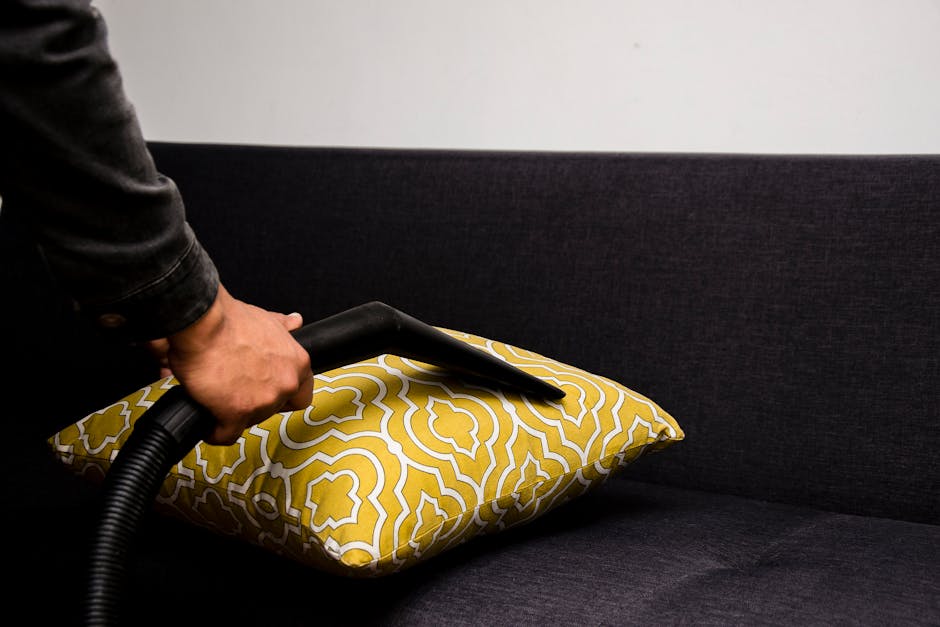
Next comes dry soil removal. Think dust, lint, crumbs, and loose debris. If these are left in place, they can turn into muddy residue once moisture is introduced. Then the cleaner applies the appropriate treatment method, which may involve a low-moisture extraction process, targeted stain treatment, or controlled agitation. For shop upholstery, it is common to work carefully around seams, piping, and buttoned sections because those are the places that trap grime.
Drying is the bit people underestimate. Furniture that is cleaned too aggressively can stay damp longer than ideal, which is awkward in a retail environment. You want a method that balances cleaning power with sensible drying time. A boutique cannot always close for long, so timing matters. Quite a lot, actually.
If you want to understand the broader upholstery process, the main upholstery cleaning service explains how soft furnishings are typically assessed and treated, while the stain removal page is useful if the furniture has a specific problem area rather than general wear.
Key Benefits and Practical Advantages
The benefits are both visual and commercial, and they tend to reinforce each other.
- Sharper presentation: Clean upholstery helps the whole boutique look fresher, brighter, and more intentional.
- Better customer comfort: If seating is part of the customer journey, clean fabric makes the waiting or browsing experience more pleasant.
- Longer furniture life: Removing embedded dirt reduces premature wear on fibres and helps preserve the upholstery structure.
- Odour reduction: Fabrics can hold onto stale smells from traffic, drinks, and general use. A proper clean helps reset that.
- More confidence in the space: Customers are more likely to trust a boutique that looks cared for at every level.
There is also a subtle branding benefit. A boutique often sells a feeling as much as an item. If the soft furnishings look stained, flattened, or neglected, the space can feel less curated. That can be enough to alter how people browse. They may stay a little less long, or simply not relax into the room. Small thing? Maybe. But small things add up in retail.
One more practical upside: scheduled cleaning can reduce emergency clean-ups. Instead of reacting to a sudden coffee spill or a visible mark before the weekend rush, the boutique can keep to a maintenance rhythm. Less panic, fewer awkward conversations, and fewer hours spent trying to disguise a problem with a cushion flipped the wrong way.
Who This Is For and When It Makes Sense
This kind of case study is useful for boutique owners, managers, landlords, visual merchandisers, and anyone responsible for the appearance of a small commercial interior. It is especially relevant if the shop has upholstered chairs in a reception area, a fitting-room bench, display stools, waiting seating, or fabric pieces that are part of the brand image.
It also makes sense when the shop is preparing for something specific: a seasonal launch, a product shoot, a VIP shopping event, or a refurbishment handover. A clean-looking interior can lift the entire experience without any structural changes at all. That is a nice little win, frankly.
You may need a specialist upholstery clean if you notice any of the following:
- faint but persistent odours in the seating area
- visible darkening on armrests or seat fronts
- patchy marks from drinks, makeup, or hand creams
- a dull, tired look even after regular vacuuming
- customers avoiding certain seats because they look uninviting
- furniture that was spotless when new but now shows daily traffic
If you are already booking other cleaning work, it can be sensible to look at the wider space as well. For example, some boutiques combine seating care with commercial carpet cleaning, especially where a tired chair area sits beside a high-traffic floor zone. That keeps the room visually consistent instead of cleaning one part and leaving another looking neglected.
Step-by-Step Guidance
If you are planning upholstery cleaning for a boutique, this is the sequence that tends to work best in the real world.
- Walk the space first. Look at the seating in context. Which items are customer-facing? Which ones are most heavily used? Which fabrics look marked from close range, not just from the doorway?
- Check fabric type and condition. Ask whether the upholstery can tolerate moisture-based cleaning or whether a more cautious method is needed. Age, fading, and prior spot treatments all matter.
- Identify stains and odours. Mark the obvious problem areas. A ring mark near the armrest often needs different treatment from a general grey film of soil.
- Protect nearby retail stock. Move items away from the treatment zone. In a boutique, that might mean accessories, garments, paper bags, or display props.
- Test a hidden area. This is non-negotiable in my view. A discreet patch test is the sensible way to reduce risk.
- Pre-treat trouble spots. Stains and heavily used zones should be handled before the main clean. That gives a better finish and prevents overworking the whole piece.
- Clean with controlled moisture. The technique should suit the fabric and the furniture construction. More water does not equal more cleanliness. Not usually, anyway.
- Allow suitable drying time. Airflow, room temperature, and fabric density all affect this. The boutique may need to keep customers away from the area for a bit.
- Inspect under natural light if possible. Shop lighting can hide some issues and exaggerate others. A daytime check is often the final truth-teller.
- Plan the next maintenance clean. One-off cleaning helps, but a schedule is what keeps the result from drifting backwards.
That last point matters more than people expect. Upholstery is like a display window in a way: if it is left too long, the decline creeps in slowly. You do not notice it one day, then suddenly you do. Bit annoying, but true.
Expert Tips for Better Results
Here are the habits that usually separate a decent result from a genuinely good one.
- Vacuum before any wet treatment. Dry soil is the enemy of a clean finish.
- Keep stain treatment targeted. Blanket spraying can spread the mark or leave a tide line.
- Mind the fabric pile. Velvet, chenille, and textured weaves need a gentler touch and careful grooming after cleaning.
- Use airflow, not just patience. Fans and open ventilation help drying without over-wetting the room.
- Document problem fabrics. If one chair always attracts spills, note it. Patterns emerge in retail spaces.
- Work around business hours where possible. The best commercial clean is the one that fits the shop's trading rhythm, not the other way round.
One small but useful tip: photograph the furniture before and after, even if the change seems obvious in person. It helps with internal records, maintenance planning, and deciding what to prioritise next time. Also, it is oddly satisfying. No shame in that.
Common Mistakes to Avoid
Most upholstery problems in boutiques do not come from dramatic disasters. They come from ordinary mistakes repeated over time.
- Using too much liquid: This can leave fabric damp for too long, increase the risk of marks, and make the furniture feel stiff.
- Skipping fabric checks: Not every material behaves the same way. Guessing is a bad plan.
- Rubbing stains aggressively: That can push the stain deeper and rough up the fibres.
- Ignoring odour sources: A pleasant-smelling room can still hide a seat that needs attention.
- Cleaning only when it looks bad: By the time upholstery looks dirty, it has usually been collecting soil for a while.
- Forgetting the surrounding area: A clean chair beside a dusty skirting line or dull carpet does not deliver the same effect.
There is also a timing mistake. Retailers sometimes leave cleaning until the quietest possible moment, which sounds sensible until that moment never arrives. Then the furniture goes another month, then another. We have all seen that happen. Better to choose a realistic window and work with it.
Tools, Resources and Recommendations
For a boutique setting, the most useful toolkit is not complicated. It is more about careful use than fancy gear.
- Commercial vacuum with upholstery attachment: Good for lifting loose dust and debris before treatment.
- Fabric-safe cleaning solutions: These should match the material and the kind of staining present.
- Microfibre cloths: Handy for controlled blotting and delicate final wiping.
- Soft brush or grooming tool: Useful for restoring pile and helping fabric sit neatly after cleaning.
- Air movers or planned ventilation: Helpful where drying time needs to be shortened safely.
- Protective coverings for nearby stock: Important in a boutique because soft furnishings rarely live in isolation.
If the upholstery is part of a larger refresh, it may be worth reviewing related services too. Soft seating often sits beside curtains, rugs, or carpets, and those can affect the overall look more than you realise. The curtain cleaning and rug cleaning pages are useful if the boutique has layered textiles throughout the interior. A coordinated approach usually looks better than a patchwork one.
And if there are stray spots from coffee, makeup, or the occasional mystery mark, the stain removal service can be a helpful next step. Not everything needs replacing. Thankfully.
Law, Compliance, Standards, or Best Practice
For a boutique, upholstery cleaning is not usually a heavily regulated activity in itself, but it still sits within a broader duty of care to staff, customers, and anyone attending the premises. Best practice in the UK context usually means safe working methods, sensible product use, clear communication, and awareness of fabric care instructions.
If cleaning is carried out during trading hours, the area should be managed so customers are not exposed to wet floors, cables, or clutter. That is common-sense stuff, but it is also where many small businesses slip up. Clear access routes, controlled drying zones, and sensible scheduling all help reduce avoidable risk.
Businesses should also pay attention to product suitability and ventilation. Strong odours, excess moisture, or residue left on high-contact areas can be unpleasant for staff and visitors. In retail, comfort is part of the product, in a way. If the shop smells fresh and feels well-kept, people relax more easily.
For operational reassurance, it can help to work with a provider that explains its processes openly, including its health and safety policy, insurance and safety approach, and terms and conditions. If pricing needs to be discussed in advance, the pricing and quotes page may help set expectations early. Clear information is usually the best kind of reassurance.
Options, Methods, or Comparison Table
There are a few broad ways upholstery in a boutique may be cleaned. The right choice depends on fabric type, soil level, drying constraints, and how visible the furniture is to customers.
| Method | Best for | Advantages | Watch-outs |
|---|---|---|---|
| Vacuuming and dry grooming | Light maintenance between deeper cleans | Quick, low disruption, good for daily upkeep | Won't remove embedded stains or deep soiling |
| Spot treatment | Small localised stains | Targets specific marks with minimal disruption | Can leave tide marks if overused or applied badly |
| Low-moisture upholstery cleaning | Retail seating, benches, and visible soft furnishings | Balances effective cleaning with sensible drying times | Needs careful fabric assessment and controlled application |
| Deeper extraction cleaning | Heavily used pieces with built-up grime | More thorough soil removal | Drying time and fabric sensitivity must be managed well |
In a boutique, low-moisture methods often make the most sense because they protect trading time while still producing a noticeable refresh. That said, there is no single magic formula. A stained velvet chair and a synthetic bench do not need the same treatment. Obvious, maybe, but worth saying.
Case Study or Real-World Example
Here is a realistic example based on the kind of job a Colliers Wood boutique might need. The shop has a small seating area near the fitting rooms with two upholstered chairs and a narrow bench. The furniture is still attractive, but the fabric has started to show darkening on the arms and seat fronts. There is also a faint musty smell after the store has been busy all day.
The first step is inspection. The seating is checked for fabric type, wear, sun fading, and old spot treatments. The cleaner notices that one chair has a slightly different texture, so it will need a more cautious approach. Rather than treating the whole area heavily, the work is broken into sections: dry vacuuming, pre-treatment of the heaviest marks, light agitation, and controlled cleaning of the visible surfaces.
The bench is handled a little differently because its flat surface has a few build-up zones from repeated use. After treatment, the furniture is allowed to dry with good airflow while the boutique continues trading in the rest of the shop. Later, once the fibres are fully dry, the seating is brushed and checked again under the store lights.
The result is not dramatic in a theatrical sense. That is the thing. It is more like the space quietly comes back into focus. The chairs look lighter, the room smells cleaner, and the fitting-room area feels more welcoming. Customers do not necessarily say anything, but they spend a bit more time nearby. That is often the real sign.
For boutiques that want to keep that standard across more than just one piece of furniture, a combined maintenance plan can also include sofa cleaning for lounge-style seating or mattress cleaning where retail accommodation or staff spaces are part of the premises. Different use, same principle: keep the textiles working for the business, not against it.
Practical Checklist
Use this checklist before booking or planning upholstery cleaning for a boutique:
- Identify every upholstered item that customers can see or use.
- Check for fabric labels, fibre type, and any manufacturer guidance.
- Note stains, odours, worn patches, and colour changes.
- Decide whether the cleaning needs to happen before opening, after closing, or during a quiet period.
- Protect stock, signage, and nearby display items.
- Ask how drying time will be managed.
- Confirm whether spot treatment or a full clean is more suitable.
- Make sure the provider can explain their safety and insurance position clearly.
- Plan follow-up maintenance rather than waiting for the next visible problem.
Quick takeaway: the best upholstery clean in a boutique is the one that looks natural, dries sensibly, and fits the way the shop actually operates.
Conclusion
Case study upholstery cleaning for Colliers Wood boutique is really about more than fresh fabric. It is about protecting the atmosphere of the shop, extending the life of the furniture, and making the space feel properly looked after. That feeling matters. People sense it quickly, even if they cannot explain why.
When the process is planned well - with fabric checks, careful treatment, and sensible drying - the result is calm, polished, and commercially useful. Not flashy. Just right. And in retail, that kind of improvement can do more than most people think.
If you are looking at tired seating, stubborn marks, or a boutique that no longer feels as fresh as it should, now is a good time to act rather than wait for the furniture to get worse. A steady, professional clean can make the room feel like itself again. That is often the real goal.
Get a free quote today and see how much you can save.
Frequently Asked Questions
How often should boutique upholstery be cleaned?
It depends on footfall, fabric type, and how visible the seating is to customers. Many boutiques benefit from regular maintenance cleaning and a deeper clean when marks or odours begin to build.
Can all upholstery fabrics be wet cleaned?
No. Some fabrics handle moisture well, while others need a gentler or more controlled approach. Always check the fabric type first and test a hidden area before proceeding.
Will upholstery cleaning make the boutique smell fresh again?
Usually, yes, if the odour is coming from dirt, body oils, or everyday use. Strong or old odours may need targeted treatment, and sometimes more than one clean.
How long does upholstered furniture usually take to dry?
Drying time varies by fabric, airflow, humidity, and the cleaning method used. A low-moisture approach generally dries faster, which is helpful in a working retail space.
Is upholstery cleaning disruptive to shop trading?
It does not have to be. Good planning can keep disruption low by working before opening, after closing, or in sections so the shop can still operate.
What kinds of marks are most common in a boutique?
Common marks include drink spills, hand oils, makeup, dust, and general darkening on arms or seat edges. Light-coloured fabrics tend to show these first.
Should I replace stained furniture instead of cleaning it?
Not necessarily. If the fabric is structurally sound and the stain is treatable, cleaning is often the more sensible and cost-effective option. Replacement is usually the last resort.
Can upholstery cleaning help with customer perception?
Yes. Clean seating supports the overall look and feel of the boutique, which can influence how long people stay and how polished the space appears.
Do I need to clean carpets at the same time?
Not always, but it is often a smart idea if the seating area sits near high-traffic flooring. A matched clean can make the room look more consistent. See carpet cleaning for a broader floor refresh.
What should I ask before booking upholstery cleaning?
Ask about fabric assessment, stain treatment, drying time, insurance, and how the work will fit around trading hours. Clear answers up front usually mean fewer surprises later.
Is commercial upholstery cleaning different from home cleaning?
Yes, mainly because commercial furniture often sees heavier traffic and needs a plan that works around business operations. The standards for care are similar, but the logistics are a bit more demanding.
Where should I start if my boutique has several textile surfaces?
Start with the most visible or most heavily used items first. Upholstered seating, carpets, rugs, and curtains often have the biggest effect on the overall presentation of the shop.
If you want to understand the wider service offering and how it supports commercial interiors, you can also review the company's about us page, recycling and sustainability information, and contact details when you are ready to talk through the job. A straightforward conversation often gets you much closer to the right plan than endless guesswork.
And honestly, that is usually the best way forward: careful, practical, and without making more drama than the upholstery deserves.